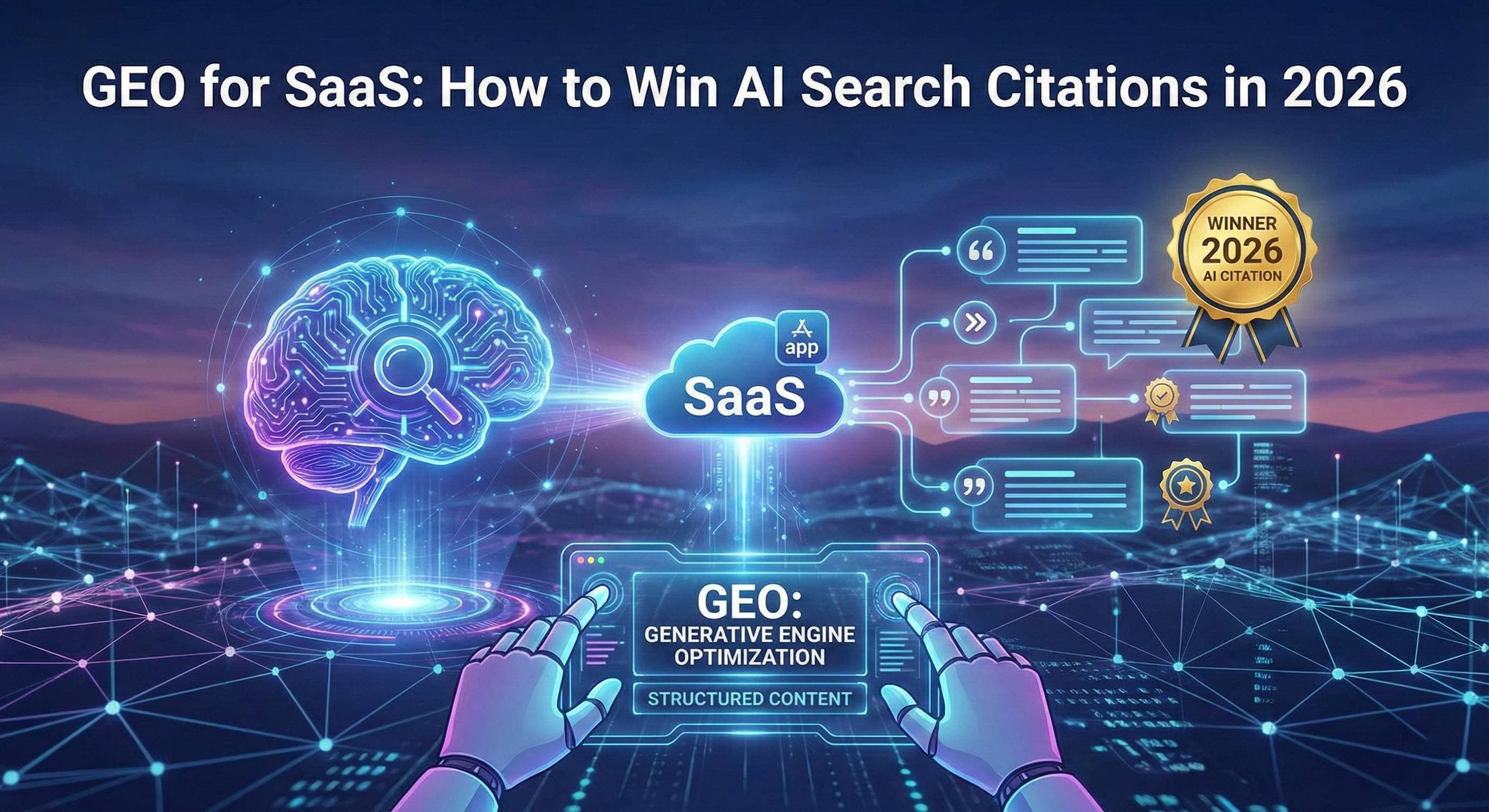
Generative Engine Optimization (GEO) is the art and science of optimizing your SaaS content not just for human readers and traditional search engines, but also for AI-powered answer engines like ChatGPT and Perplexity. Think of it as making your website the go-to source for AI models looking to synthesize information. It's crucial in 2026 because, as Gartner predicts, traditional search engine volume will drop by 25% as AI chatbots become more prevalent. Are you ready for a world where AI decides whether your SaaS gets mentioned?
This isn't just about slapping some keywords into your blog posts. It's a fundamental shift in how we approach content, and if you're a solo SaaS founder, it's an opportunity to punch above your weight. Let's dive into how you can win at GEO and secure those valuable AI citations.
What is GEO? Generative Engine Optimization Defined
Forget the ten blue links. In 2026, the game is about becoming the source of truth for AI-generated answers. According to research, approximately 91.4% of pages cited in AI Overviews contain some level of AI-generated content (GenesysGrowth.com, 2025). This means you need to stand out from the AI noise with content that offers real, unique value.
GEO is about engineering your content to be easily understood, extracted, and cited by AI models. It's about building authority and trust, not just with Google, but with the AI algorithms that are increasingly shaping the information landscape. And it's not just speculation; it's the future of SaaS SEO.
Key Takeaway: GEO is optimizing your content for AI citation, not just traditional search rankings. It's about becoming a trusted source of information for AI models.
The Shift from Blue Links to AI Answer Engines
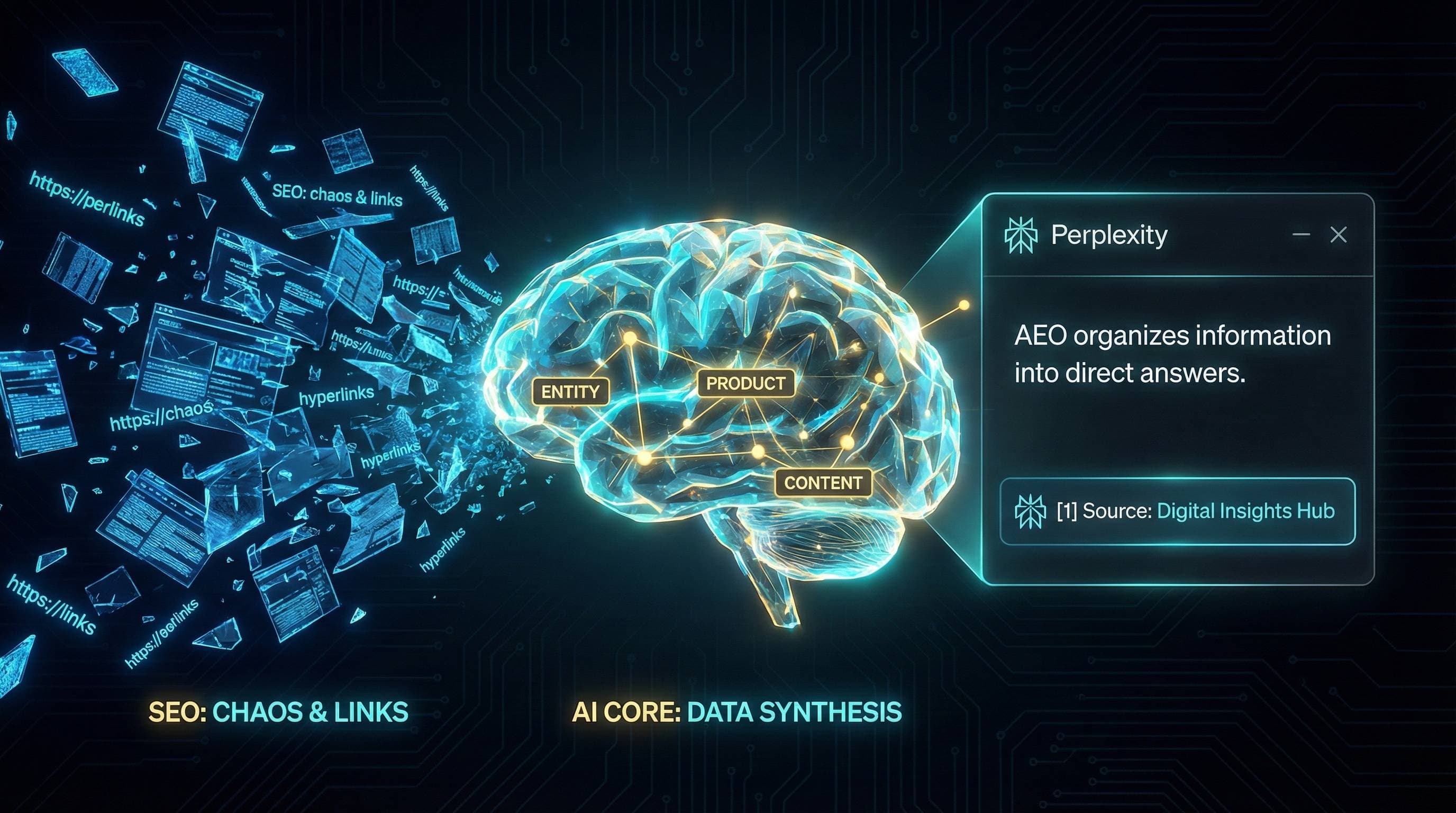
Remember the days when SEO was all about ranking for keywords and chasing backlinks? Those days aren't entirely gone, but they're fading fast. The rise of AI answer engines is changing the game. Instead of sending users to a list of websites, these engines synthesize information and provide direct answers, often citing their sources.
This shift has huge implications. As Judy Garland notes, "The best SEOs of 2026 will also be AI engineers" (Judy Garland, ILLUMINATION). It means understanding how AI models select and cite information. It means thinking about your content as a database for AI training, not just a lead magnet. It means focusing on "information gain" – providing unique facts, data, and perspectives that AI models can't ignore.
TL;DR: AI answer engines are changing the way people find information, making GEO essential for SaaS companies.
[!NOTE] GEO is the technical implementation of a broader shift called Answer Engine Optimization. For a founder-level view of this strategy, read our Founder's Guide to AEO vs. SEO.
Why Traditional SaaS SEO Isn't Enough for 2026
Traditional SEO focuses on ranking for keywords. But what happens when the search engine becomes the answer? That's the challenge GEO addresses. While technical and on-page SEO still matter, they're no longer enough. You need to go beyond keywords and backlinks and focus on building authority and trust with AI models.
Think about it this way: Google's AI Overviews have already begun to cannibalize organic click-through rates (CTR) for initiating queries. Some studies indicate a CTR drop of 34.5% to 47% for top-ranking organic results when an AI summary is present (Dataslayer.ai, 2025). That's a significant loss of potential traffic. But, this also presents an opportunity for SaaS founders to create high-intent, verification-based funnels. Users who click through citations exhibit higher purchase intent (HubSpot Blog, 2026).
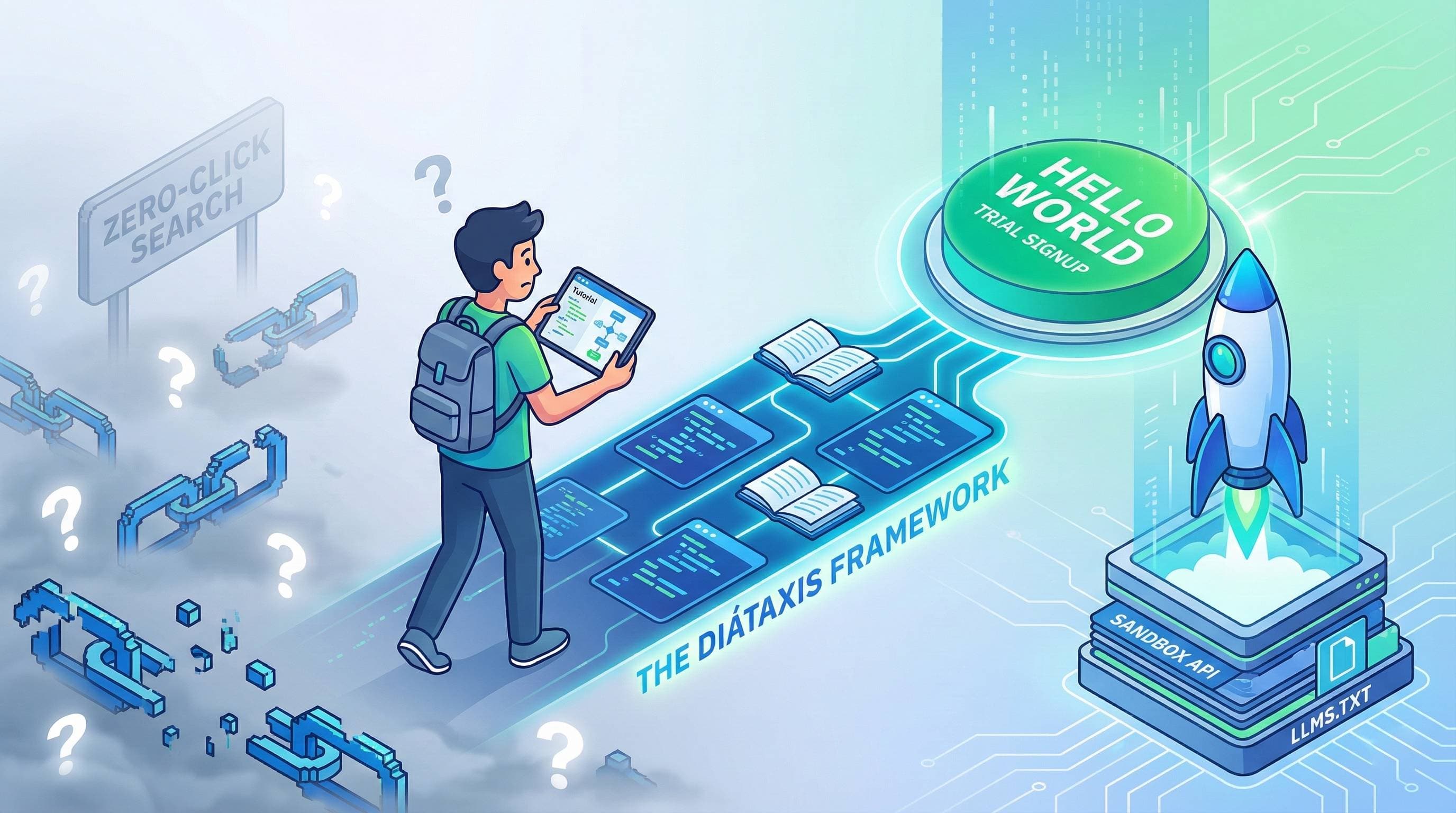
This is especially critical for developer tools. If you are struggling with high impressions but low clicks, read our case study on Marketing for Devs: Why API Docs Aren't Converting.
Traditional SEO tactics like keyword stuffing and thin content just won't cut it in the age of AI. You need to create content that is:
- Structured: Easy for AI models to understand and extract.
- Authoritative: Backed by data, expert opinions, and reputable sources.
- Unique: Offering "information gain" that AI models can't find anywhere else.
Key Takeaway: Traditional SEO is still important, but GEO is essential for capturing traffic from AI answer engines.
The MACO Framework: Dominating AI Semantic Contribution
The MACO framework provides a lens to understand how your content influences AI-generated answers. It measures influence across six dimensions, from simple attribution to semantic dominance. It helps you understand if your work is credited, if the information is accurate, and how much your content mattered in shaping the AI's response.
According to research, expert quotations, technical terms, and citing sources are high-performing strategies for GEO. So, focus on those elements when creating your content. The most effective content for purchase intent includes citations, statistics, and an authoritative tone. Here’s how you can leverage each layer:
- Attribution: Ensure your brand is credited prominently when your content is used.
- Content Fidelity: Make sure the information extracted is accurate and faithful to your original meaning.
- Semantic Dominance: Strive for your content to contribute core ideas and key information to the AI's response.
TL;DR: The MACO framework helps you measure and optimize your content's influence on AI-generated answers.
Technical Requirements for Machine-Readable SaaS Content
If content is king, structure is queen. To succeed with GEO, you need to ensure your content is technically optimized for AI consumption. This means implementing schema markup, optimizing for token efficiency, and ensuring your content is easily rendered.
Let's break down the key technical requirements:
- Schema Markup: Use schema markup to explicitly define the entities and relationships within your content. Critical schema types for SaaS include Organization, SoftwareApplication, FAQPage, and Person. This helps AI models understand the meaning of your content and extract key information.
- Token Efficiency: AI models operate within context windows, which limit the amount of text they can process at once. Optimize your content for token efficiency by front-loading the most critical information and using concise language.
- Rendering: Ensure your content is easily rendered by AI crawlers. Avoid hiding text behind JavaScript or relying on client-side rendering. Server-side rendering (SSR) or static site generation (SSG) is strongly recommended.
Key Takeaway: Technical SEO is crucial for GEO. Implement schema markup, optimize for token efficiency, and ensure your content is easily rendered by AI crawlers.
Building AI-Perceived Authority through Expert Citations
AI models rely on signals of authority to determine the trustworthiness of a source. Building AI-perceived authority is essential for winning citations and establishing your SaaS as a go-to resource.
Here are some key strategies for building authority:
- Earn backlinks from reputable sources: Backlinks are still a valuable signal of authority, even in the age of AI. Focus on earning backlinks from reputable websites in your industry.
- Secure positive third-party reviews: Positive reviews on platforms like G2 and Capterra can boost your authority and influence AI models.
- Get featured in expert roundups: Being included in expert roundups can increase your visibility and establish you as a thought leader.
- Create deep, expert-level content: Content that demonstrates deep knowledge and expertise is more likely to be cited by AI models.
TL;DR: Building authority is essential for GEO. Focus on earning backlinks, securing positive reviews, getting featured in expert roundups, and creating expert-level content.
Scaling Your GEO Strategy without Losing Developer Focus
As a solo SaaS founder, you're likely juggling multiple responsibilities. Scaling your GEO strategy without losing focus on product development can be challenging. But it's not impossible.
Here are some tips for scaling your GEO strategy:
- Automate content creation: Use AI-powered tools to automate the creation of basic content, such as blog posts and social media updates.
- Focus on high-impact activities: Prioritize activities that have the biggest impact on GEO, such as building authority and optimizing for machine readability.
- Outsource tasks: Consider outsourcing tasks such as schema markup implementation and technical SEO to freelancers or agencies.
And if you'd rather not do this yourself, this is exactly what we built ShipContent to solve. We scrape your product, research your market, and deliver ready-to-publish posts that actually sound like you, not generic ChatGPT output.
Key Takeaway: Scaling your GEO strategy requires automation, prioritization, and outsourcing.
Final Thoughts: Winning the AI Citation Game in 2026
The transition to GEO is a fundamental shift in how we approach content marketing. It requires a new mindset, a new set of skills, and a new focus on building authority and trust with AI models. But for solo SaaS founders, it's an opportunity to level the playing field and compete with larger companies.
By implementing the strategies outlined in this guide, you can position your SaaS for success in the age of AI. Remember, the goal is not just to rank for keywords, but to become the go-to source for AI-generated answers. And that's a game worth winning.