Key Takeaways
- The "Cynicism Filter" is killing your traffic. Technical buyers instantly detect generic AI content and bounce. B2B SaaS organic traffic has collapsed 34-80% for companies relying on generic LLM output.
- Product DNA beats prompt engineering. Stop feeding ChatGPT marketing briefs. Feed it your codebase, git history, Jira tickets, and support logs.
- Generic AI can't hold opinions. It averages the internet's consensus. Winning in 2026 requires a point of view backed by your unique internal data.
- Content Debt is real. Those thousands of AI articles from 2023-2024? They're now liabilities dragging down your domain authority.
- Documentation-style specificity wins. When your blog posts are as dense as your docs, you bypass the "Suit" Filter entirely.
You know the feeling.
You click a link promising to solve a specific database migration issue. The page loads. You scan the first paragraph.
"In the fast-paced world of database management, migration is a crucial process..."
Click. Back button.
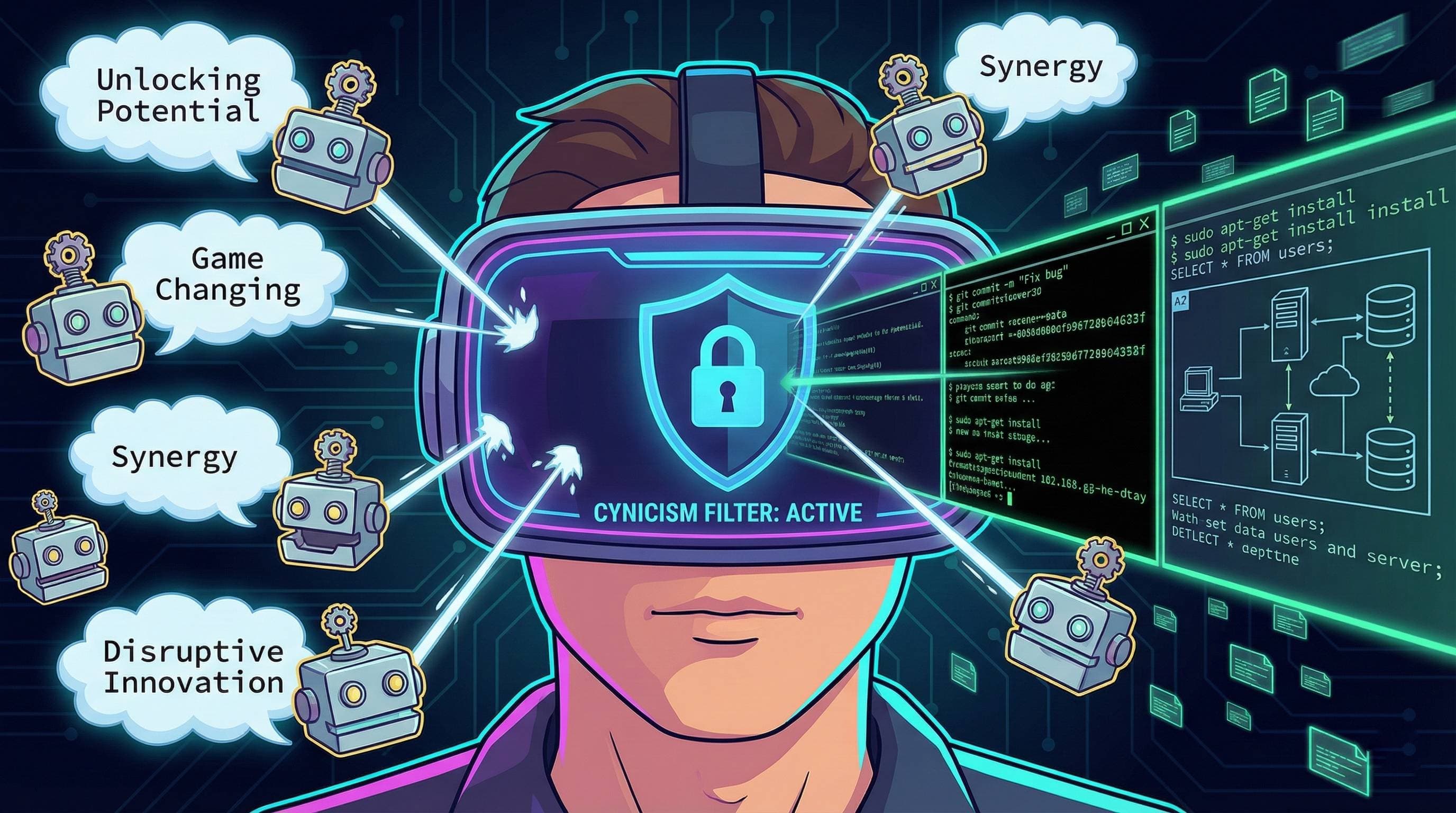
You didn't even finish the sentence. Why? Because your brain has developed a new immune response. It's called the Cynicism Filter. And if you're selling B2B SaaS in 2026, this filter is the single biggest threat to your growth.
We are drowning in a "Sea of Sameness." Marketing teams, incentivized by volume rather than outcome, used generic LLMs to flood the internet with "how-to" guides that all sound exactly the same. They hallucinate expertise. They use words like "tapestry" and "delve." And they are destroying domain authority.
Market analysis from late 2025 paints a grim picture: organic traffic for B2B SaaS has collapsed by anywhere from 34% to 80% for companies relying on this generic slop. (We've written extensively about why SaaS blogs die—and generic AI content is now the leading cause.)
But there's a way out. It's not about writing more. It's about writing deeper. It's called Product-Aware AI.
The Turing Test for SaaS: Why Founders Immediately Spot Generic AI Content
Technical buyers—developers, founders, data scientists—are predators. They can smell weakness.
When a generic LLM writes about software, it exhibits what researchers call the "Happy Path" bias. It describes implementation as easy. It ignores edge cases. It pretends that version conflicts don't exist.
Real engineers know that software is messy.
If your blog post says, "Integrate the API to effortlessly sync data," you've lost the reader. A human expert would say, "The API rate limits at 100 requests per minute, so you'll need to implement retry logic using exponential backoff."
See the difference?
One is marketing fluff. The other is Product DNA.
This is the new Turing Test. It's not about whether the text is grammatically correct. It's about whether the text respects the reader's intelligence.
According to 2025 trust reports, technical buyers now interpret low-effort AI content as a signal of disrespect. If you couldn't be bothered to verify the technical details, why should they trust you with their credit card?
What is Product DNA? Converting Raw Feature Data into Expert Narratives
So, how do you fix this? You have to stop doing "Prompt Engineering" and start doing "Context Engineering."
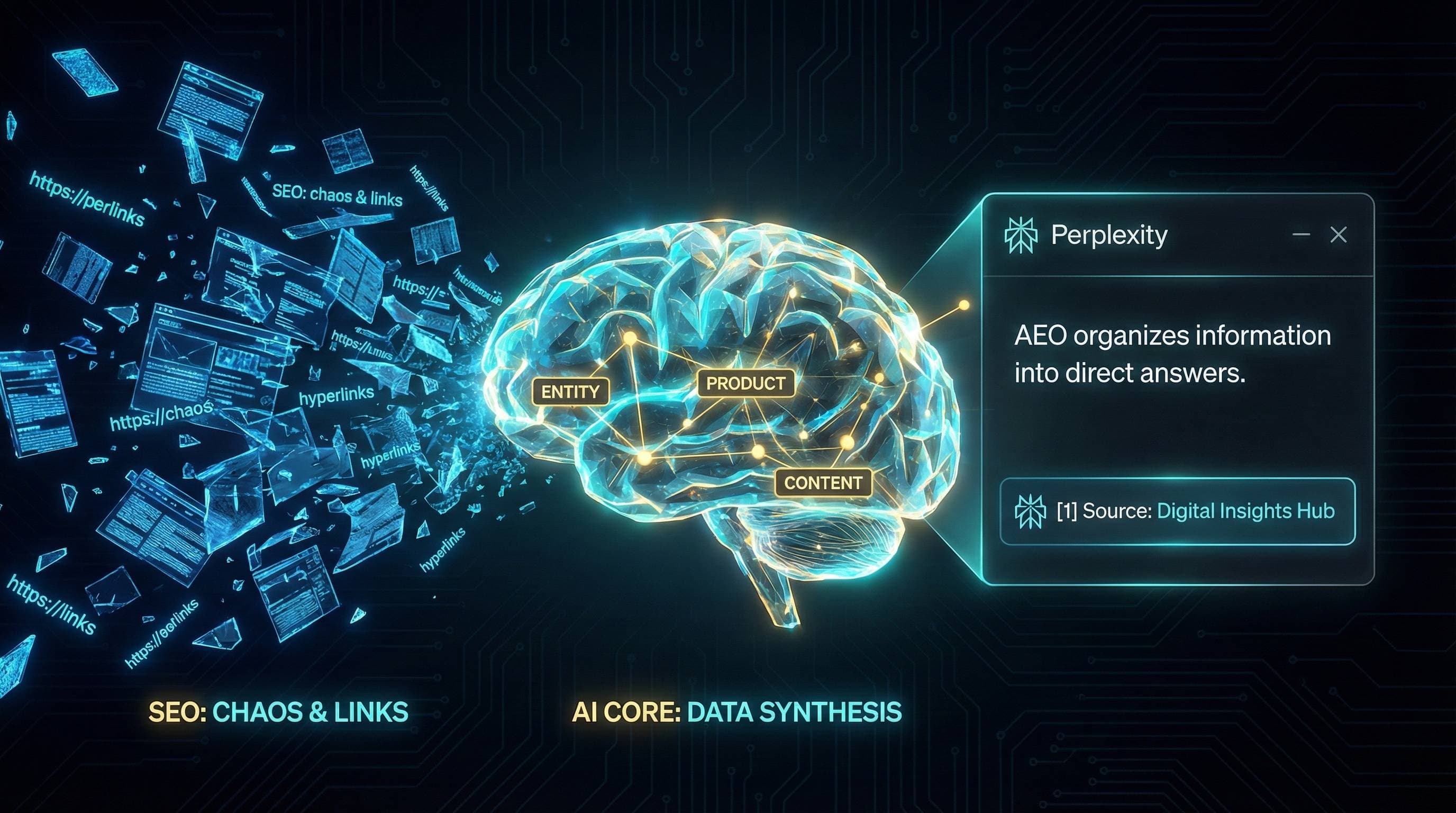
Generic AI is trained on the public internet. It knows the average of everything and the specifics of nothing. Product-Aware AI, on the other hand, rejects that generic training data in favor of your company's "Product DNA."
Product DNA isn't just your marketing brochures. It's the ugly, messy, truthful stuff:
- Jira Tickets: The context behind why a feature was built.
- Git History: The record of what actually changed in the code.
- Internal Wikis: The strategic trade-offs your team debated.
- Customer Support Logs: The actual words your users use when they're angry or confused.
When you feed this data into an AI workflow (often using RAG, or Retrieval-Augmented Generation), the model doesn't have to hallucinate. It acts as a translator. It takes structured technical truth and converts it into a narrative.
Leading companies like Mutable.ai are already doing this. They treat their codebase as the source of truth. When a developer merges a Pull Request, their AI analyzes the "diff" (the specific lines of code changed) and auto-generates a changelog or wiki entry.
It cites the specific files. It references the variable names. It's not creative writing; it's reporting. And that is exactly what technical buyers want.
The "Suit" Filter: Why Peer-to-Peer Writing Beats Marketing-Speak in B2B
There was a time when "brand voice" mattered. That time is gone.
In the post-generic era, trust has shifted away from corporate logos and toward individuals. We call this the "Suit" Filter. If content sounds like it was written by a "suit" (a marketer trying to hit a keyword quota), it gets ignored.
If it sounds like it was written by a peer—a developer who has been in the trenches—it gets read.
Data backs this up. Recent studies on B2B trust allocation show that buyers place 27% of their trust in peer networks and only a fraction of that in corporate messaging.
This has given rise to the "No AI" movement as a luxury signal. Companies like PostHog and Mitzu explicitly market their content as human-generated or "No AI." They position manual writing as a proxy for accuracy.
But you don't have to ban AI to compete. You just have to make your AI sound like a peer.
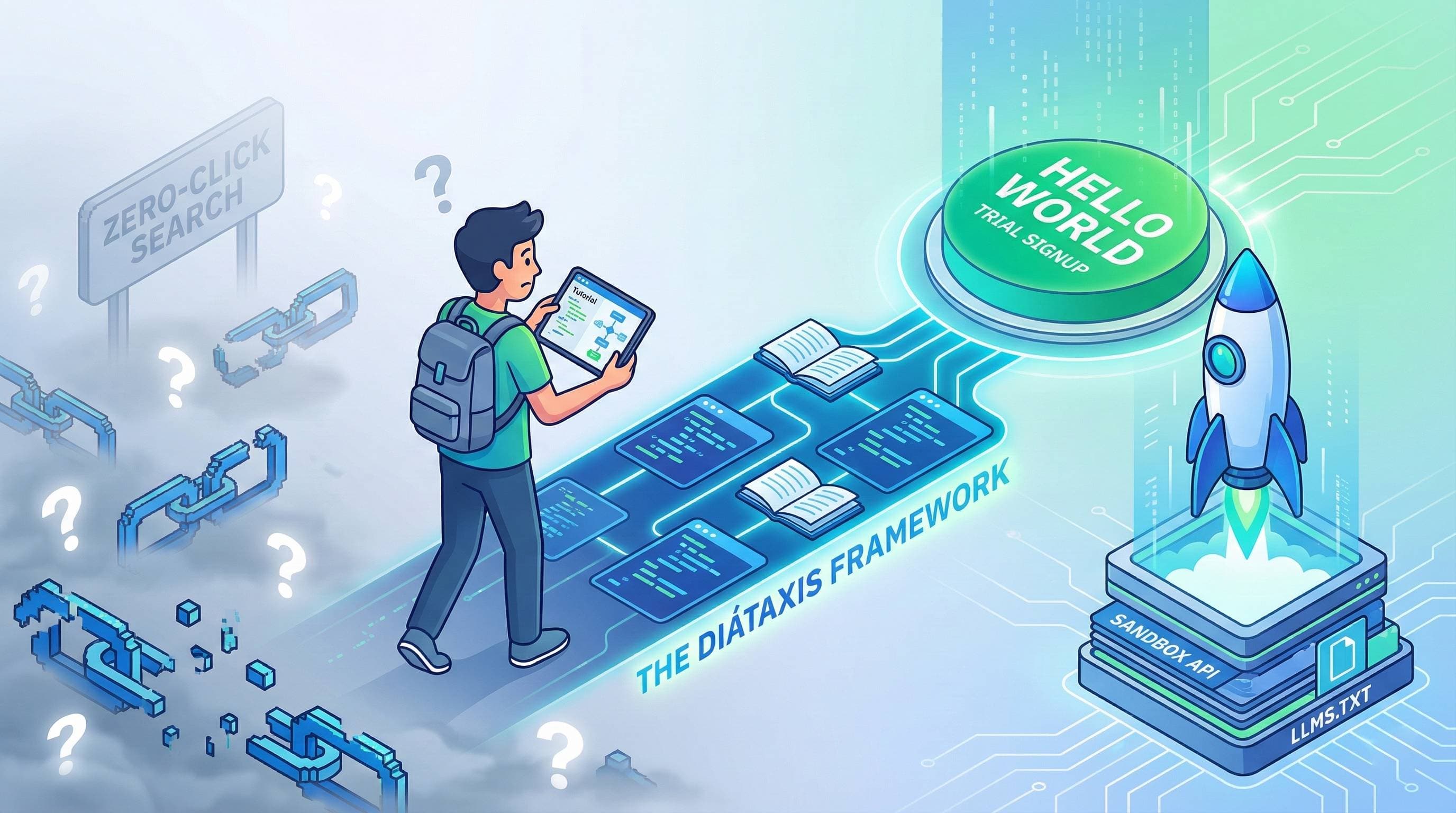
The goal of Product-Aware AI is to mimic the utility of documentation. Documentation is the only marketing asset that is resistant to Google's AI Overviews. Why? Because users don't want a summary of the docs; they want the actual docs. (This is why AEO optimization now matters more than traditional keyword stuffing.)
When your blog posts are as dense and specific as your documentation, you bypass the "Suit" Filter entirely.
Case Study: Reclaiming Sundays with Automated "Product DNA" Scraping
Let's look at how the pros do this.
Zapier, the workflow automation giant, didn't just tell ChatGPT to "write a blog post." They built a beast called "Project Phoenix."
This isn't a simple prompt. It's a 95-step automated workflow that acts like a relentless research analyst. Here's what it does before it writes a single word:
- Deep Scraping: It identifies a competitor.
- Gap Analysis: It pulls granular data on where that competitor is winning in search.
- DNA Injection: It checks Zapier's own integration capabilities for that specific vertical.
If the system sees that a competitor is ranking for "plumbing automation," it doesn't just write a generic article about plumbing. It checks Zapier's database. Do we have a Quickbooks integration? Do we connect to Jobber?
Yes? Good.
It then generates a 1,500-word piece that is hyper-relevant to that specific market, using Zapier's actual product data as the foundation.
The result? Zapier increased content velocity by 3x while increasing relevance.
This is the dream for us founders. We spend our Sundays trying to write "thought leadership" because we don't trust freelancers to understand our product. But if you can build a pipeline that scrapes your own Product DNA, you don't just get your Sunday back. You get content that actually converts. (Not sure if you should build or buy? Here's our breakdown of content writers vs AI services.)
The ROI of Personality: Why High-Fidelity SaaS Assets Convert Better Than "Content Debt"
We need to talk about Content Debt.
In 2023 and 2024, many founders thought the game was "more pages = more traffic." They spun up thousands of AI articles. Now, those pages are liabilities.
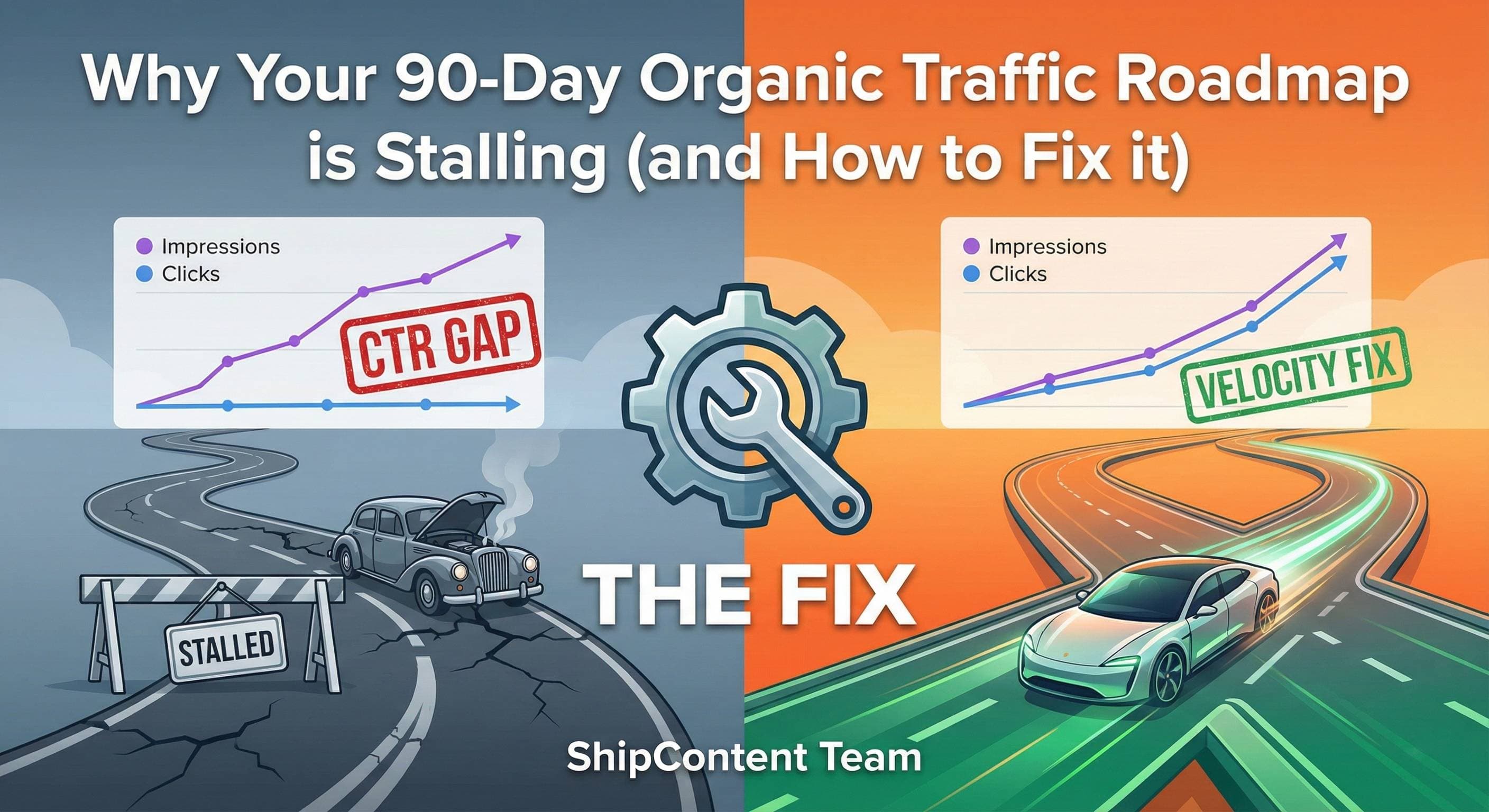
Google's December 2025 Core Update was a massacre for these "Zombie Pages." The search engine is actively penalizing domains with high ratios of low-quality content. It's not just that those pages don't rank; they drag down the authority of your good pages (like your pricing or features page).
This is the "quality correction."
The "fix" is expensive. Companies are now burning budget to prune content—deleting thousands of pages they paid to create just two years ago. That is negative ROI. This "debt" is the exact opposite of the 90-Day Organic Roadmap we prescribe.
The alternative is Opinionated Software and opinionated content.
Generic AI cannot hold a controversial opinion. It averages the internet's consensus. But to win in 2026, you need a point of view. You need to challenge the industry standard.
- Generic: "Here are 5 ways to improve email deliverability."
+ Opinionated (Product-Aware): "Why we blocked 40% of our user base to save our IP reputation."
The second headline requires data. It requires internal context. It requires Product DNA.
Invest in assets that have a personality derived from your unique data. It's harder to build. It takes more time to set up the context pipelines. But unlike the generic stuff, it won't rot in six months.
The era of the "content farm" is over. The era of the "context engine" has just begun.
This is exactly what ShipContent does differently. We don't just prompt an LLM—we scrape your product, analyze your features, and build content from your actual Product DNA. No generic fluff. No "delve." Just expert-level content that passes the Cynicism Filter. See how it works.